
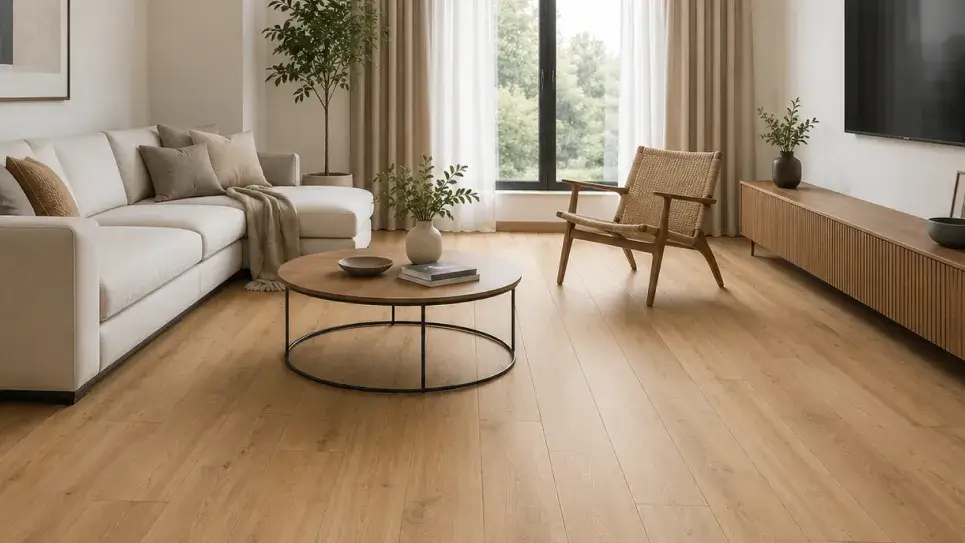
Parquet flooring care starts the moment you notice the first dull patch on a floor you spent good money on. Maybe it is a faint scratch near the entryway, or the finish near the window has gone flat from sun exposure. Either way, the floor is telling you something. Most parquet problems come from skipping the basics for too long, not from any defect in the wood itself.
Here is a practical breakdown of what actually works, whether your floor is solid wood parquet, engineered wood parquet, or laminate parquet flooring.
Why Parquet Needs Different Care Than Regular Wood Floors
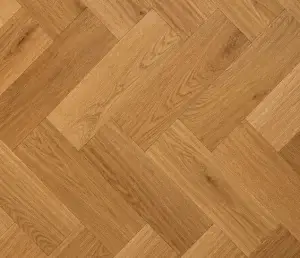
The thing about parquet is the geometry. Wood blocks are laid in patterns like herringbone or chevron, which means the grain runs in several directions at once. That changes how moisture moves into the floor and how sanding should be approached.
Solid parquet is genuine hardwood from top to bottom. It can be sanded back and refinished several times over its life. For Qatar homes and offices that want a long-term flooring investment, this is one of the strongest options available.
Engineered wood parquet puts a real wood veneer on top of a layered core, which gives it better resistance to humidity shifts. That matters a lot in Qatar’s climate. It can be lightly sanded once or twice, but not repeatedly.
Laminate parquet flooring copies the look of real wood through a photographic surface layer. It handles moisture and scratches well, but sanding is not possible. When the surface wears out, the only fix is replacement.
Daily Parquet Flooring Care That Actually Protects the Surface
Keeping a parquet in good shape is mostly about what you do each week, not what you do once a year.
Sweep every day in busy areas using a soft-bristle broom or a microfiber mop. If you use a vacuum, switch it to the hard floor setting and keep the beater bar off. The beater bar scratches the finish over time, and on parquet it can catch on the edges between blocks.
Once a week, go over the floor with a mop that is just barely damp, paired with a pH-neutral wood floor cleaner. Wring the mop well before it touches the surface. Puddles of water sitting on parquet, especially near the joints between blocks, cause the wood to swell and lift.
Skip steam mops entirely. They force heat and moisture into places that are very difficult to dry out, and the damage shows up weeks later in the form of warped or lifted blocks.
Small Habits That Prevent Big Damage
Felt pads under furniture legs are one of the simplest protections for any parquet floor. Without them, chairs and tables drag tiny scratches across the finish every time someone moves them.
Doormats at entry points catch the grit and sand that people track in from outside. On parquet, grit acts like sandpaper underfoot and wears the finish down faster than almost anything else.
Direct sunlight is a slower problem but just as real. UV exposure fades wood finishes unevenly, especially near windows. Rotating area rugs occasionally and using curtains or blinds during peak sun hours keeps the floor color consistent across the room.
For Qatar specifically, keeping indoor humidity stable between 40 and 60 percent helps wood floors stay in shape. Air conditioning handles most of this, but avoiding wet mopping and cleaning up any spills fast makes a visible difference over time.
When to Sand and Refinish Parquet Flooring
Solid parquet can be sanded and brought back to near-original condition. The key difference from sanding a straight-plank floor is the angle. Because parquet grain runs in multiple directions, sanding diagonally across the pattern avoids tearing up blocks where the grain runs against the direction of the machine.
After sanding, a new stain coat goes on if the color needs adjusting, followed by a fresh seal coat. Done properly, a refinished parquet floor can look as good as a new one.
Engineered parquet has a thinner top layer, so sanding needs more caution. A professional should assess the veneer thickness before starting any sanding work.
Laminate parquet cannot be sanded, but light surface scratches can be reduced using color-matched repair pens or filler kits designed for laminate floors.
Final Thoughts
Parquet flooring is one of those investments that ages beautifully when looked after and disappoints quickly when ignored. The proper parquet flooring care routine itself is not complicated. Sweep regularly, keep moisture off the surface, protect the finish from furniture and grit, and refinish when the wood starts showing its wear rather than waiting until the damage goes deep.
If your floor is already showing signs of wear, get a professional opinion before jumping straight to a full refinish. Sometimes a light buff and recoat is all it needs.
FAQ
Use a dry microfiber mop or soft broom for daily sweeping. Once a week, a barely damp mop with a wood-specific cleaner works well. The rule of thumb is no standing water anywhere on the floor. Wet mopping and steam mops both push moisture into the joints between the wood blocks and that leads to warping over time.
Dullness alone does not always mean a full sand job. If the finish has just lost its sheen but the wood underneath has no deep scratches or bare patches, a light buffing and a fresh coat of finish is often enough to restore the look. Full sanding becomes necessary when the floor has visible gouges, worn-through areas, or staining that has reached the wood itself.
Solid hardwood parquet can last decades and even longer with the right maintenance routine. The finish needs attention every few years depending on foot traffic, and the floor can be sanded and refinished several times throughout its life. Engineered parquet has a shorter refinishing window but still holds up very well under consistent daily care.
It works well when the right type is chosen. Engineered wood parquet is the stronger match for Qatar’s climate because its layered construction handles humidity variation better than solid parquet does. Both types need protection from excess moisture and should be cleaned with minimal water. With those habits in place, parquet flooring holds up in Qatar homes and offices without much trouble.
For light surface scratches, yes. Color-matched repair pens and wood filler sticks work well for minor damage on finished parquet. Deeper scratches that have cut through the finish into the raw wood are harder to address at home. Those usually need spot sanding and a localized recoat, which a flooring professional can do on just the affected area rather than refinishing the whole floor.